Who Can Act at 2 a.m.? Test Your Managed Security Provider’s Incident Handover
Before approving a managed security provider, use a tabletop exercise to test who can authorize containment after hours and how quickly they can act.
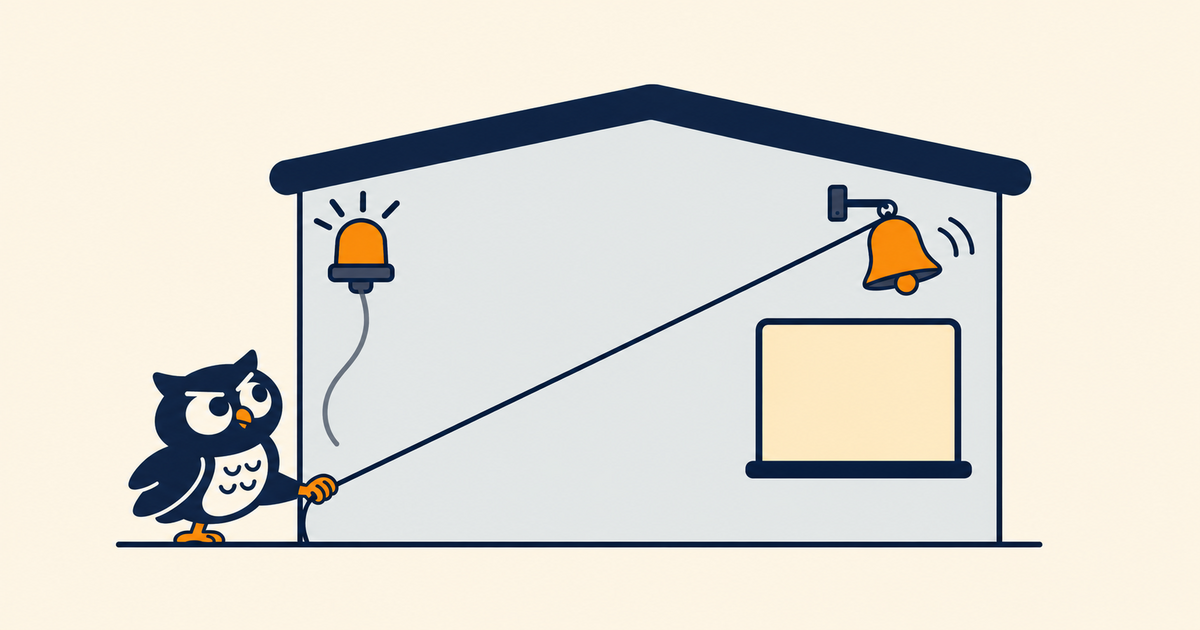
An Irish organization hires a managed security provider to monitor a critical service around the clock. At 2 a.m., the provider detects suspicious activity on a privileged account. Can its analyst disable the account? If customer approval is required, who can give it when the primary contact is unavailable?
The Expert Group on Future Skills Needs projects rising demand for digital specialists in Ireland through 2030, with cybersecurity the fastest-growing technology domain in its baseline forecast. Separately, technology leaders surveyed by EY Ireland reported skills shortages as a barrier to carrying out their plans. Both findings help explain why teams may look for outside capacity. Expert Group report · Irish government announcement · EY Ireland survey.
Before you approve the provider, test whether it and your own team can make and carry out a containment decision within the time your critical service can tolerate.
Map the handover before reviewing the assurance pack
Pick one critical service. For business hours and after hours, identify who monitors it, who can authorize containment, who can carry it out, and who owns the impact on the service. If the provider can only recommend action, name the customer role that can approve it and who backs them up. If the provider has delegated authority, document its limits, especially when containment could interrupt the service.
Ireland’s National Cyber Security Centre sets out a useful model for public service bodies. Sections 1.6.4 and 1.6.5 call for recording third-party dependencies and documenting how cybersecurity responsibilities are shared with suppliers. Private-sector teams can use the same approach to map their own responsibilities. Cyber Security Baseline Standards.
Ask for a short responsibility map, the agreed escalation route, and a list of any subcontractors whose involvement changes who receives alerts or performs containment. Check these against the service description and contract. Resolve discrepancies before relying on the promised coverage.
Run one after-hours tabletop exercise
Give the provider and your internal team the same fictional scenario. The provider detects suspicious use of a privileged account tied to a critical service. The primary customer contact is unavailable, and the usual ticketing channel is down.
Set the deadline for the containment decision before the exercise, using the critical service’s requirements. Measure it from the point the provider detects the activity so the result includes time spent escalating and reaching an approver. A tabletop tests how people coordinate and make decisions. Verifying that the containment tools work requires a separate technical test.
Use the result to make a supplier decision
Record the decision, the evidence behind it, and which responsibilities stay with your team. Reopen the decision when a change in subcontractors, response coverage, or delegated privileges could affect the handover.
Before signing, ask both teams to show how a 2 a.m. alert reaches someone who can make the call.
Related reading · Third-Party Assurance and Why Third-Party Risk Assessments Fail as a Decision System.

Founder & CEO of TPSaaS, with more than 25 years in cybersecurity, third-party risk, and security assurance. Vic connects practitioner judgment, evidence, and human accountability to better supplier decisions.