IT Sprawl Is Creating Hidden Security Risks
IT sprawl is expanding enterprise attack surfaces faster than governance can keep up. Learn why visibility is becoming the foundation of modern third-party risk management.
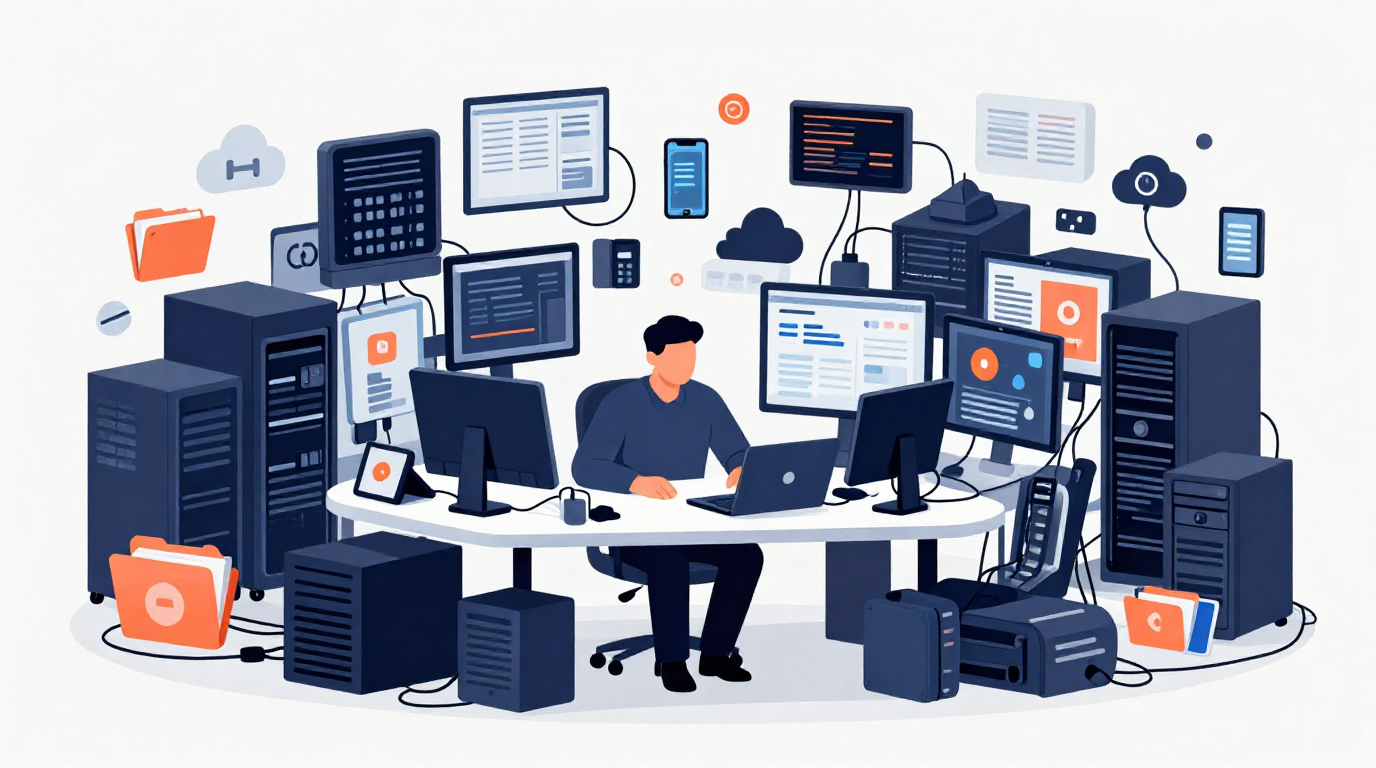
Most security leaders can tell you how many critical systems they manage. Far fewer can tell you how many applications are actually operating across their organization.
That gap is becoming one of the most significant security challenges in modern business.
Over the past decade, organizations have embraced SaaS applications, cloud platforms, third-party integrations, and specialized technology vendors to move faster and support growth. Individual business units can now deploy new tools in hours rather than months, often without requiring a lengthy IT approval process.
The result has been an explosion of technology adoption.
According to Torii's 2026 SaaS Benchmark Report, the average large enterprise now uses more than 2,000 applications. Many of these applications enter the environment outside formal governance processes, creating visibility gaps around usage, ownership, access, and data exposure.
This is IT sprawl and it occurs when technology ecosystems grow faster than an organization's ability to govern them.
How IT Sprawl Expands the Attack Surface
When security incidents occur, organizations often focus on the vulnerability that was exploited.
A more revealing question is how the vulnerable system entered the environment in the first place.
A marketing platform connected to customer records. A project management tool integrated with corporate identity systems. A vendor application granted access during a business initiative and never reassessed afterward.
Individually, these decisions appear reasonable. Over time, however, they create interconnected technology ecosystems that are difficult to inventory, monitor, and govern.
Every new application, supplier, integration, and external relationship expands the attack surface. Attackers increasingly target these overlooked connections because they often provide easier access than heavily defended core systems.
Why Traditional Risk Management Is Falling Behind
Most governance processes were designed for a slower pace of change.
A vendor would be reviewed. Security documentation would be collected. Risk assessments would be completed. The relationship would be approved and revisited periodically.
That approach worked when technology environments evolved gradually. Today, environments evolve continuously.
New applications appear every week. Vendors release new functionality. Integrations expand into additional workflows. Access permissions change as business needs shift.
By the time an annual review occurs, the environment being evaluated may look very different from the one originally approved.
The Visibility Gap Between Perceived and Actual Risk
Many organizations believe they understand their third-party ecosystem because they have documentation.
Documentation provides evidence of a point in time.
Visibility provides awareness of what exists today. That distinction is becoming increasingly important as vendor ecosystems continue to grow.
The Shift Toward Continuous Assurance
Organizations making the most progress are not attempting to slow innovation. They are focusing on improving visibility as technology adoption accelerates.
This is driving a broader shift from periodic assessments toward continuous assurance.
Rather than relying solely on questionnaires and annual reviews, security teams are increasingly focused on identifying new vendors, monitoring changing risk conditions, and understanding how third parties interact with critical systems as those relationships evolve.
The objective is not to eliminate risk, it is to eliminate surprises.
Managing the Ecosystem, Not Just Individual Vendors
One of the most important shifts in third-party risk management is moving from vendor-centric thinking to ecosystem-centric thinking.
Risk rarely exists in isolation. It flows through the relationships connecting organizations, systems, applications, and data.
Managing that complexity requires more than spreadsheets and periodic assessments. It requires a current view of the vendor lifecycle, from onboarding and assessment through monitoring and eventual offboarding.
Conclusion
IT sprawl is not a temporary trend. It is the natural outcome of organizations adopting technology faster than ever before.
The organizations that adapt successfully will not be the ones that prevent new applications, vendors, or integrations from entering the environment.
They will be the ones that maintain visibility as those ecosystems expand.
TPSaaS helps organizations create a centralized view of vendor relationships across onboarding, continuous monitoring, compliance activities, and offboarding. By replacing fragmented processes with a single source of truth, organizations can reduce blind spots, improve governance, and maintain control as technology ecosystems continue to grow.

Founder & CEO of TPSaaS, with more than 25 years in cybersecurity, third-party risk, and security assurance. Vic connects practitioner judgment, evidence, and human accountability to better supplier decisions.