
Telecom Cybersecurity Is Changing Fast: Why Third-Party Risk Management Is Becoming a Core Resilience Capability
Telecom operators rely on increasingly complex supplier ecosystems. Learn why third-party risk management is becoming essential for protecting networks, meeting regulatory expectations, and building cyber resilience.
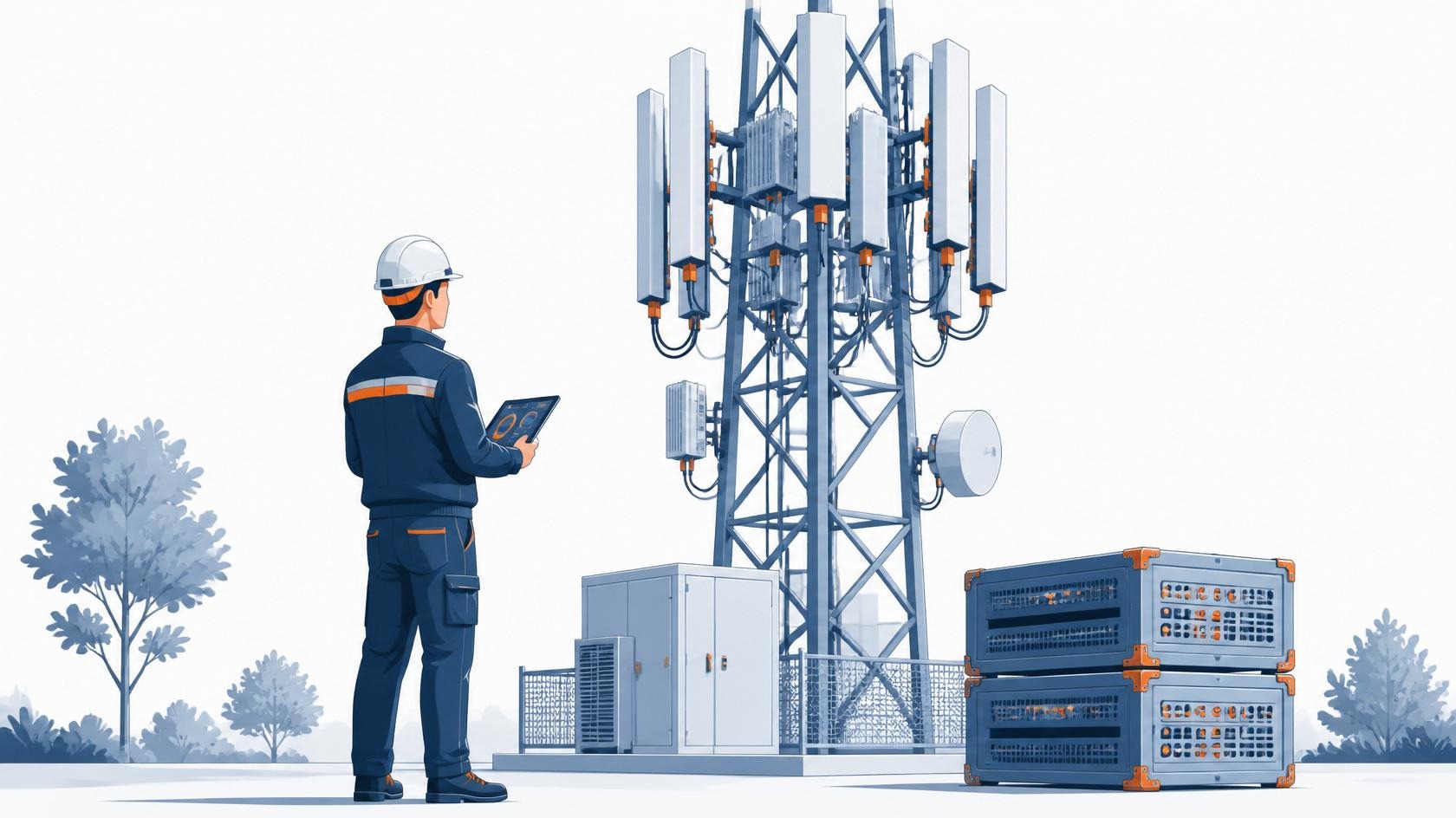
Telecom networks are undergoing one of the most significant transformations in their history.
Artificial intelligence, cloud-native architectures, Open RAN, APIs, containers, and the convergence of information technology (IT) and communications technology (CT) are changing how operators build, operate, and secure their environments.
These innovations create new opportunities for efficiency, scalability, and customer experience. However, they also introduce new dependencies. Every cloud provider, software partner, managed service provider, network supplier, and technology vendor expands the ecosystem that operators must secure.
This shift is changing the role of cybersecurity within telecommunications.
Security is no longer only about protecting internal infrastructure. It is about understanding and managing risk across the entire digital ecosystem that supports network operations.
One of the most important parts of this challenge is third-party risk management (TPRM).
As telecom operators become more dependent on external suppliers, effective third-party security is becoming a core component of cyber resilience.
What Is Third-Party Security as a Service?
Third-Party Security as a Service (TPSaaS) is an approach to managing supplier cybersecurity risk across the entire vendor lifecycle.
Rather than treating vendor assessments as isolated compliance activities, TPSaaS combines structured technology workflows with practitioner-led expertise to help organizations identify, assess, monitor, and manage third-party risk from onboarding through offboarding.
This approach helps organizations maintain visibility across their supplier ecosystem while ensuring risk decisions continue to include business context, expert review, and accountable ownership.
For telecom operators managing thousands of supplier relationships, this provides a more scalable way to understand and control third-party exposure.
Why Telecom Cybersecurity Is Entering a New Era
The telecom industry is experiencing several major shifts at the same time.
Artificial intelligence is improving network operations, customer services, and security capabilities. At the same time, attackers are using AI to accelerate reconnaissance, phishing campaigns, and vulnerability exploitation.
Cloud-native technologies are also changing how networks are built. Traditional telecom environments are increasingly supported by software platforms, APIs, containers, and distributed infrastructure. This creates more flexibility but also introduces additional pathways for attackers.
Open RAN is another example of this transformation.
By introducing greater vendor diversity and modular network components, operators can increase innovation and reduce dependence on individual suppliers. However, greater supplier diversity also requires stronger governance and visibility.
The convergence of IT and CT environments creates another challenge.
Systems that were historically separated are now increasingly connected, meaning weaknesses in business applications, support platforms, or supplier environments can have operational consequences.
The result is a broader security challenge: Telecom operators must protect not only their own infrastructure but also the extended ecosystem that enables their services.
The Expanding Third-Party Attack Surface in Telecom
Telecom operators depend on a complex network of suppliers.
These relationships include network equipment manufacturers, cloud providers, software vendors, managed service providers, cybersecurity providers, Open RAN partners, and specialized technology companies supporting critical operations.
Each supplier introduces a potential dependency.
Some may have access to sensitive information. Others may connect directly to operational systems. Some may support functions where availability is critical to customers and businesses.
A supplier compromise does not need to directly target the telecom operator to create damage.
Attackers increasingly look for trusted pathways through organizations that already have legitimate access.
This is why third-party risk has become such a significant concern.
An operator may have strong internal controls, but those controls cannot fully protect against risks introduced through suppliers, integrations, and external dependencies.
Why Traditional Vendor Risk Management Struggles at Scale
Many organizations still manage third-party risk through annual questionnaires, spreadsheets, email-based evidence collection, and periodic reviews.
These processes can provide value, but they were designed for a simpler supplier environment.
Modern telecom ecosystems change constantly.
Suppliers update technology platforms, introduce new subcontractors, change ownership, modify security practices, and expand their service capabilities.
A supplier that was considered low risk during an annual assessment may have a completely different risk profile months later.
The challenge is not that assessments are unnecessary.
Assessments remain an important part of understanding supplier controls and security practices. The challenge is relying on assessments alone.
Effective third-party risk management requires ongoing visibility, structured processes, and the ability to identify changes that occur between formal reviews.
What Modern Telecom Supplier Assurance Requires
Modern telecom operators need a lifecycle-based approach to supplier security.
This begins during onboarding, where suppliers should be evaluated based on the services they provide, the data they access, their operational importance, and their connection to critical environments.
Risk-based tiering allows organizations to apply the right level of scrutiny to each supplier rather than treating every vendor the same.
Throughout the supplier relationship, organizations need continuous visibility into security posture changes, emerging risks, and remediation activities.
This provides a more accurate understanding of supplier risk than relying only on historical assessments.
When relationships end, secure offboarding becomes equally important.
Supplier access, connected systems, data handling responsibilities, and outstanding risks must be properly addressed to prevent lingering exposure.
A mature supplier assurance program creates a complete record of what was assessed, what risks were identified, how issues were managed, and how decisions were made.
The Role of Practitioner-Led Third-Party Security
Technology alone does not solve third-party risk. Supplier security decisions require context.
A vendor with a security weakness may represent very different levels of risk depending on the systems it connects to, the data it handles, and the role it plays within the business.
This is why practitioner-led third-party security programs are becoming increasingly important.
A strong approach combines structured workflows and technology capabilities with experienced professionals who can interpret risk, support decision-making, manage exceptions, and ensure accountability.
The goal is not to remove human judgment from third-party risk management.
The goal is to remove unnecessary manual effort so teams can focus their expertise where it matters most.
How TPSaaS Supports Telecom Operators
TPSaaS provides a practitioner-led Third-Party Security as a Service platform designed to help organizations manage supplier cyber risk throughout the entire vendor lifecycle.
For telecom operators, this means creating a centralized operating model for supplier assurance across onboarding, in-life monitoring, and offboarding.
During onboarding, TPSaaS helps organizations apply structured intake processes, determine inherent risk, and ensure suppliers receive appropriate security assessments based on their role and exposure.
During the supplier relationship, TPSaaS supports ongoing monitoring, reassessment workflows, remediation tracking, and reporting.
This gives security, procurement, compliance, and governance teams a shared view of supplier risk.
When a supplier relationship ends, TPSaaS supports secure offboarding processes by ensuring outstanding access, documentation, and risk activities are addressed.
By bringing these activities together, TPSaaS helps organizations replace fragmented processes with a single source of truth for third-party security management.
Why Third-Party Security Is Becoming a Business Advantage
Telecom operators are not only protecting their own networks.
They are supporting the digital infrastructure that businesses, governments, and consumers depend on every day.
As operators expand into areas such as private 5G, enterprise connectivity, and critical infrastructure services, cybersecurity becomes part of the value they provide.
Organizations that demonstrate strong third-party governance can build greater trust with customers, regulators, and partners.
A mature third-party risk program is therefore more than a defensive measure. It is a foundation for operational resilience and competitive differentiation.
Practical Steps Telecom Operators Can Take
Telecom operators looking to strengthen third-party security should begin by understanding their current supplier ecosystem.
This includes identifying critical suppliers, understanding which vendors connect to important systems, and determining where sensitive information flows.
Organizations should then establish risk-based supplier oversight, ensuring that higher-risk relationships receive appropriate attention while lower-risk vendors are managed efficiently.
Security, procurement, compliance, and business teams should operate from a shared understanding of supplier risk rather than relying on disconnected processes.
Finally, organizations should build evidence and reporting into normal operations instead of creating last-minute documentation efforts during audits or regulatory reviews.
Frequently Asked Questions
What is third-party risk management in telecommunications?
Third-party risk management in telecommunications is the process of identifying, assessing, monitoring, and managing cybersecurity risks introduced through external suppliers, vendors, technology providers, and service partners.
Because telecom operators rely on extensive supplier ecosystems, TPRM helps ensure external dependencies do not create unmanaged security or operational risks.
Why is third-party risk especially important for telecom operators?
Telecom operators depend on many external organizations that support network infrastructure, software platforms, cloud services, and operational functions.
A security issue affecting one critical supplier can impact service availability, customer data protection, regulatory compliance, and business continuity.
How does Open RAN affect third-party risk?
Open RAN introduces greater flexibility by allowing operators to work with a wider range of suppliers and technologies.
However, a broader supplier ecosystem requires stronger governance, visibility, and security oversight to ensure new dependencies do not introduce unmanaged risks.
Why are annual vendor assessments insufficient for telecom cybersecurity?
Annual assessments provide a snapshot of supplier security at a specific point in time.
Because supplier environments change continuously, organizations need ongoing visibility into security posture changes, emerging risks, and remediation progress between formal assessments.
What is Third-Party Security as a Service?
Third-Party Security as a Service is an approach that combines structured technology workflows with practitioner-led expertise to help organizations manage supplier cybersecurity risk across the full vendor lifecycle.
It supports activities such as onboarding, risk assessment, monitoring, remediation, reporting, and secure offboarding.
How can telecom operators improve supplier visibility?
Telecom operators can improve supplier visibility by creating centralized supplier inventories, applying risk-based tiering, monitoring critical vendors continuously, tracking remediation activities, and ensuring teams across security, procurement, and compliance share the same view of supplier risk.
Conclusion
Telecom cybersecurity is no longer only about protecting the network perimeter.
Modern operators must understand every supplier, platform, and technology dependency that contributes to network operations.
As telecom ecosystems become more connected, third-party risk management will play an increasingly important role in building cyber resilience.
Organizations that combine strong governance, continuous supplier oversight, and practitioner-led security processes will be better positioned to protect their networks and maintain trust in an increasingly complex digital environment.

Founder & CEO of TPSaaS, with more than 25 years in cybersecurity, third-party risk, and security assurance. Vic connects practitioner judgment, evidence, and human accountability to better supplier decisions.